2012-51-2
1 media/2012-51-2_thumb.jpg 2024-08-07T13:44:56+00:00 Jessica Nelson 9a5eb8d4bf9f59a8ae5935bcd61eb6b29c513138 2 1 Blanket (K’iche’); image by Juan Arce plain 2024-08-07T13:44:56+00:00 20240618 113302 20240618 113302 BROWN UNIVERSITY Jessica Nelson 9a5eb8d4bf9f59a8ae5935bcd61eb6b29c513138This page is referenced by:
-
1
2024-08-31T15:03:06+00:00
Momostenango blankets (K’iche’)
9
gallery
2024-09-19T15:04:49+00:00
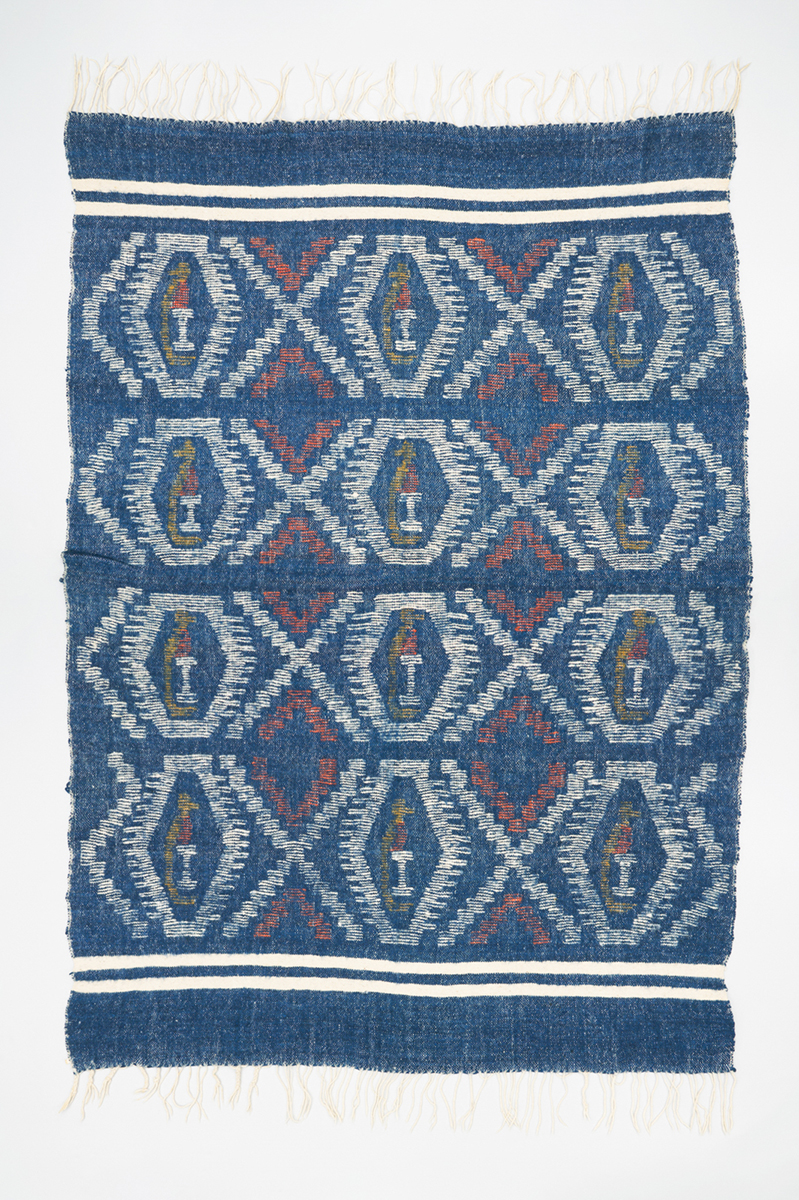
Maker Once Known, K’iche’ People (Momostenango, Guatemala)
Momostenango Blanket - Quetzales (ca.1946)
wool, dye
244.0 x 157.5 cm
Gift of Rosalie M. Cutter and family, in memory of Donald deJongh Cutter Sr.
97-16-2
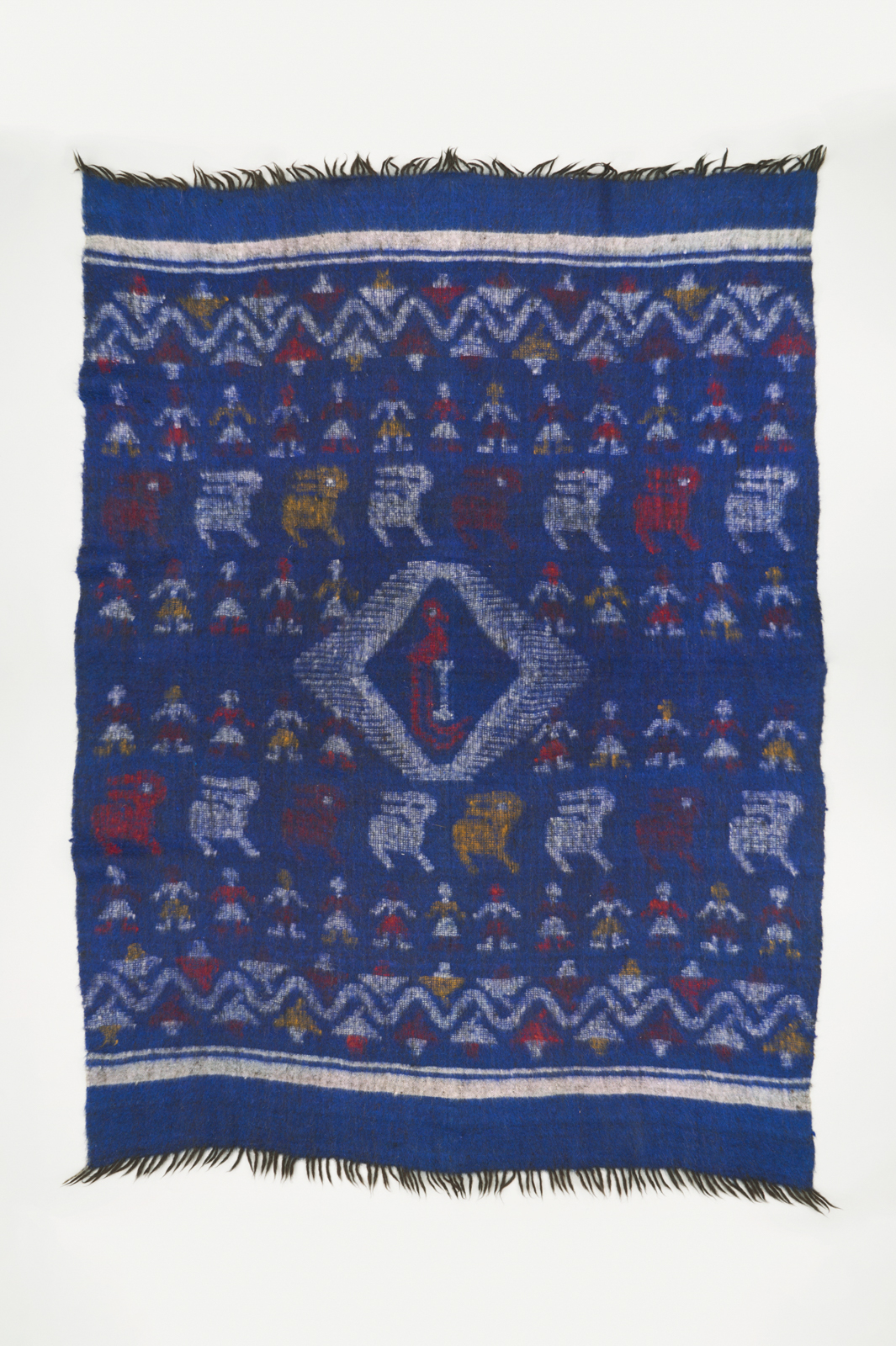
Maker Once Known, K’iche’ People (Momostenango, Guatemala)
Momostenango Blanket - Bunnies (ca.1960)
wool, dye
551.18 x 381.0 cm
Gift of Carl W. Haffenreffer
67-10010
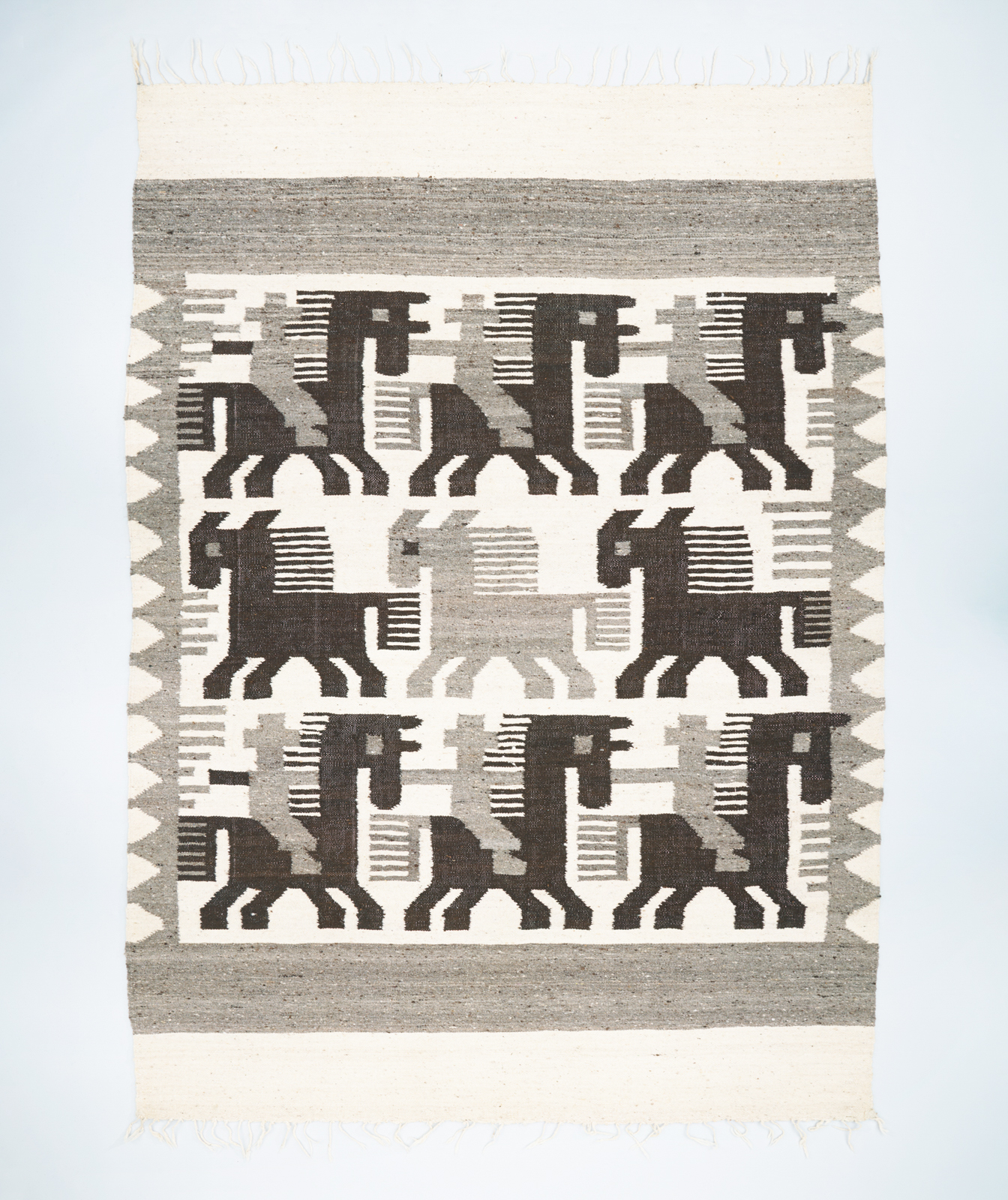
Maker Once Known, K’iche’ People (Momostenango, Guatemala)
Momostenango Blanket - Equestrian (ca.1980)
wool
229.0 x 172.5 cm
Gift of Dr. Paul Blum
2012-51-2
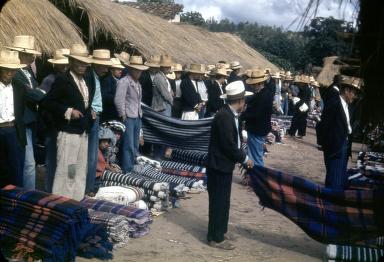
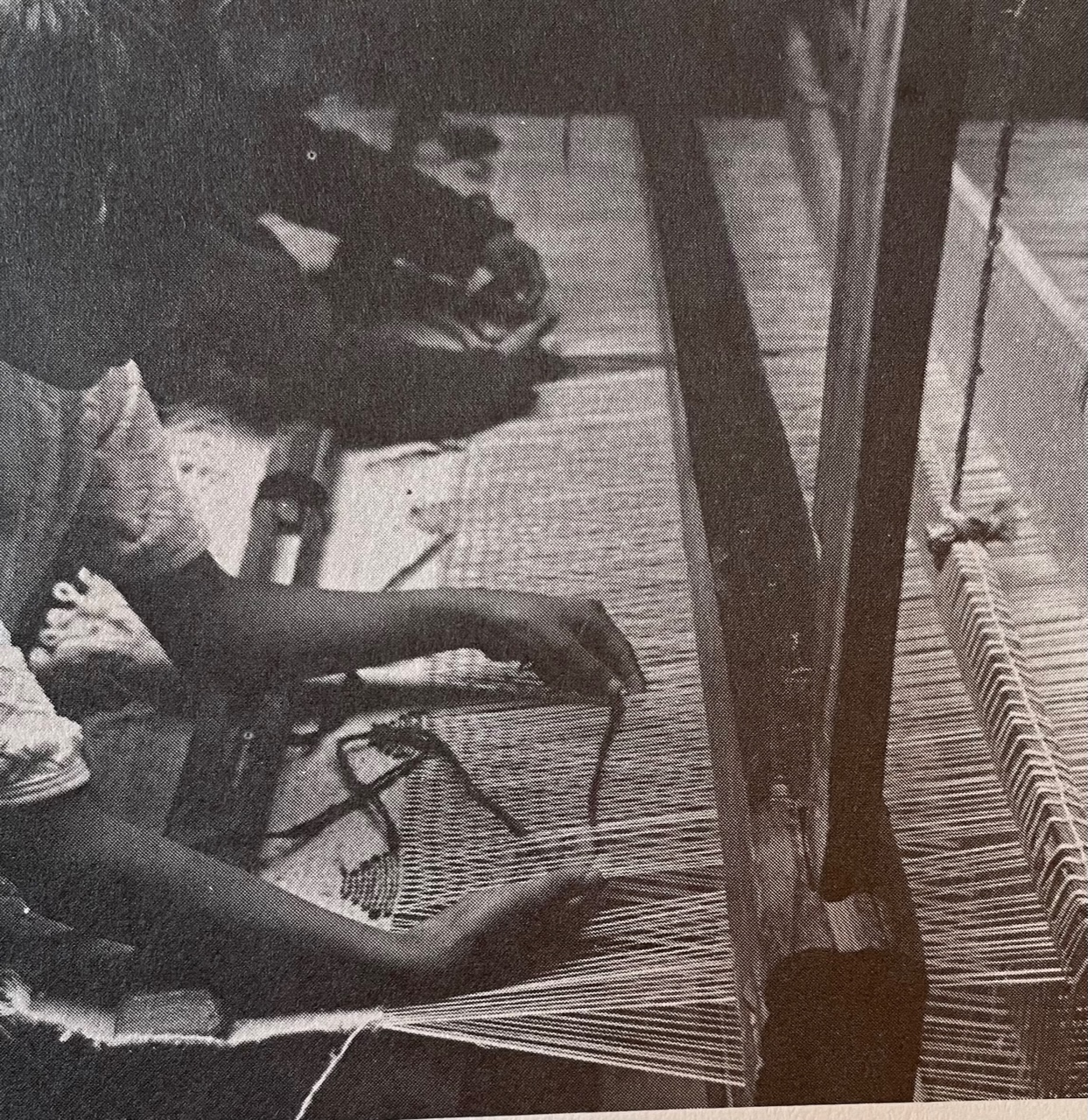
Over the course of the Textiles Photography Project, we photographed several of these Momostenango Blankets, which are produced on treadle floor looms in workshops staffed and supplied by entire K’iche’ families. In Guatemalan Textiles Today Marilyn Anderson documented the techniques of Momostenango weavers and the ubiquity of their products throughout fiestas in the highlands and market and town squares (1978: 162). Families share the tasks necessary to produce blankets (and other woven woolen goods), including the preparation of wool, spinning it, and weaving the woolens, followed by treating the blankets in local hot springs to shrink and tighten the weave, and then brushing the blanket with teasal brushes to give them a soft attractive finish (Anderson 1978:162-163). Much of the weaving itself is done by men, with weavers frequently working in pairs given the width of the loom. Anderson described a pair of weavers she observed:"The two young men...were the sons of the workshop owner. Although only twelve and fourteen years old, they fully participated in the work of weaving. They used a wide loom...Together they shared doing the supplementary weft patterning, treadling and throwing the ground weft. Because of the width of their loom, it was practical for them to work together, as working from one side to the other was far beyond the arm span of one person. As they wove, one threw the bobbin of weft to the other, who returned it for the next throw. Each of them inserted the supplementary wefts on his side of the loom" (Anderson 1978: 162-163).
To create the double sided patterns that characterize Momostenango blankets, weavers work contrasting colored wefts (the horizontal elements in weaving) into the loom and secured with two passes of the "ground weft" (whatever color the main body of the textile cloth is). This allows the contrasting color to be integrated into the weaving on both sides of the cloth for whatever distance is needed in the desired pattern, and also creates the slightly striped effect seen in Momostenango weavings. These patterns include geometric motifs, people, and animals, with quetzals, the national bird of Guatemala being a popular choice for tourist market weavings (Lambert 1999:253). Of the weavings here, two feature quetzals in addition to diamond motifs, human figures, bunnies, and horses and riders.
Momostenango weavings are ubiquitous and widely used across Guatemalan society, Latin America more broadly, and are also a staple of the tourist trade. In a critique published in the Textile Society of America Symposium Proceedings, Anne Lambert noted a reticence on the part of museums to collect Momostenango blankets because of their perceived lack of authenticity: "the blankets are produced on treadle floor looms which were introduced by the Spanish and therefore represent a weaving tradition quite separate from the indigenous backstrap weaving"; familiarity: "Are we unwilling to study and collect textiles which are too similar in form and use to textile products in our own lives?"; and a rejection of "tourist items": "The Momostenango blanket is most visibly a tourist item, aggressively marketed by itinerant vendors in large numbers, and unavoidable for visitors" (Lambert 1990: 255). She ends with some important questions: "Are we undervaluing the long standing importance of trade within the region? Does the long standing resilience and continuity of production of this particular tourist textile provide possible insight for maintenance of viable handcraft industries, and therefore deal with the reality of Guatemalans living in a contemporary world?" (Lambert 1990: 255). No culture is static; our societies are forever changing and evolving, but sometimes we forget that in museums. For all that these blankets are produced for a tourist market, they are also used locally, and their weaving represents an important element of the cultural and economic landscape in Guatemala.