Off the Roll: Highlights of a Global Textiles ProjectMain MenuOff the Roll: Highlights of a Global Textiles ProjectHome PageClothing - Wearable ArtCreatures - Real and ImaginedDecorative Techniques from Around the WorldSpiritual Iconography and Ceremonial ObjectsThe Things that Make a HomeTextiles Photography ProjectJessica Nelson9a5eb8d4bf9f59a8ae5935bcd61eb6b29c513138
87-3
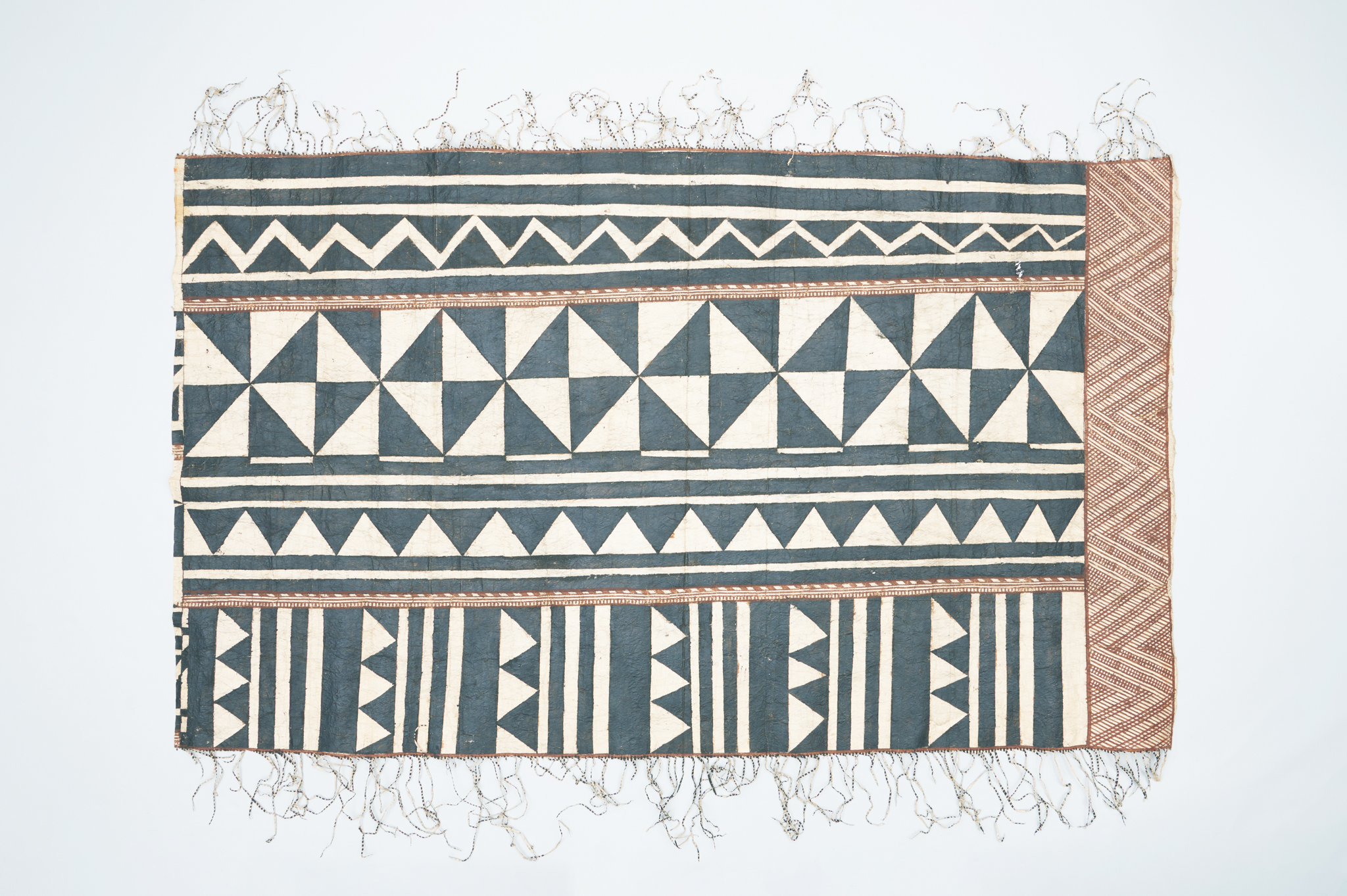
1media/87-3_thumb.jpg2024-08-07T14:16:06+00:00Jessica Nelson9a5eb8d4bf9f59a8ae5935bcd61eb6b29c51313823Masi Bolabola Cloth Skirt (Fijian); image by Juan Arceplain2024-10-24T12:41:48+00:002024061814411020240618144110BROWN UNIVERSITYJessica Nelson9a5eb8d4bf9f59a8ae5935bcd61eb6b29c513138
This page is referenced by:
1media/79-13.jpg2024-08-14T17:29:24+00:00Clothing - Wearable Art52image_header2302026-03-26T14:41:39+00:00 The clothes we wear are the art we live in. In this assemblage, kente cloths, ponchos, hupils, aprons, shawls, jackets, tapa wraps, skirts, and more from around the world display the many ways people use various textile arts in clothing.
What textiles do you wear that you might consider art?
12024-08-16T13:39:38+00:00Masi Bolabola (Fijian)6plain2024-10-24T12:40:43+00:00 Maker Once Known, Fijian People (Fiji) Masi Bolabola (n.d.) bark cloth, vegetable dye, paint 192.0 x 126.0 cm Estate of Gino Conti 87-3
This is a piece of tapa bark cloth from Fiji that was once part of a skirt, or bolabola. Bark cloth, referred to as Masi in Fiji, can be found throughout the Pacific and is produced using similar techniques from the inner bark of the paper mulberry tree. Soaked, beaten, pasted together, overlapped, and dried, sheets of cloth are then decorated according to regional preferences for pattern and technique. In Fiji, stenciling is a preferred decorative technique for Masi, as discussed in the Museum New Zealand's catalogue. For this tapa, the bold geometric triangle pattern may be stenciled while the reddish-brown linear designs could be either transferred or freehand (or maybe a combination of both). This cloth is also decorated with its finely fringed edging on the long sides. Before the fringe was cut, the edges were decorated with a tight black and white pattern (perhaps striping or a checkerboard), remnants of which can be seen on the remaining fringe.
In addition to their use in households as room dividers, bed cloths, mosquito curtains, and decorations or their ceremonial functions as prestige gifts, dowry components, and wrappings for ritual objects, tapa cloths are also used in clothing. As described in Harvard's Peabody Museum of Archaeology and Ethnology digital exhibition on tapas, Embedded Nature, "tapa served as both daily and ceremonial clothing. It was made into headdresses, turbans, loincloths, sashes, girdles, skirts, and ponchos." Given the dimensions and the fringe on this tapa, we believe it to be part of a man's skirt (you can see where the pattern ends abruptly on the left hand side of the picture). The skirt would have wrapped around the body and would need to be secured at the waist or hips with a belt or sash. You can see some examples of people wearing tapas in a similar style in the digital exhibition What are Tapa and Woven Mats? from the Natural History Museum of LA County.